

What Helps Hormonal Acne Scars Fade Safely?

Hormonal acne can feel especially frustrating because it often returns in the same areas - the jawline, chin, lower cheeks, and sometimes the neck. Then, just as one breakout settles, it leaves behind a dark mark or an indented scar. If you are asking what helps hormonal acne scars, the most effective answer is a plan that treats both sides of the concern: stopping new inflammatory breakouts while safely improving the marks and texture they leave behind.
There is no one-size-fits-all scar treatment. Skin tone, acne activity, scar type, sensitivity, and your current routine all matter. The right approach is not about using the strongest product available. It is about making steady, clinically informed choices that support clearer, smoother-looking skin without creating more irritation.
First, Know Whether You Have Marks or True Scars
Many people call every post-acne reminder a scar, but dark marks and textural scars need different treatment strategies.
Post-inflammatory hyperpigmentation is the flat brown, deep tan, or grayish discoloration left after a pimple heals. On deeper skin tones, these marks can last longer than the breakout itself, especially if the skin was picked, squeezed, or exposed to sunlight. The good news is that pigmentation can often improve significantly with daily sun protection, medical-grade brightening ingredients, and consistent professional care.
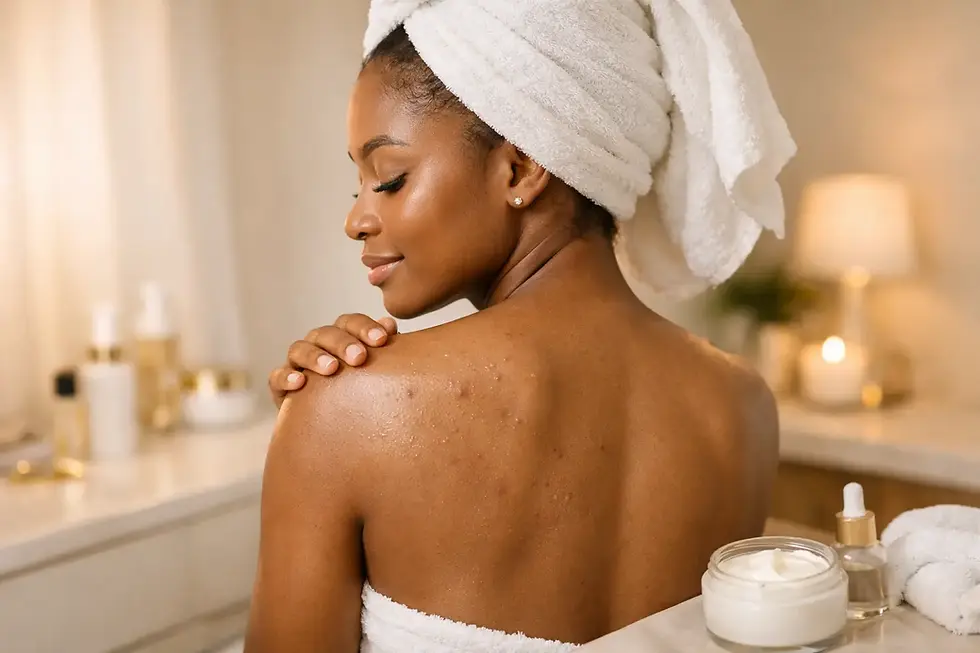
True acne scars change the texture of the skin. They may appear as small pits, broader depressions, uneven texture, or raised areas. Depressed scars form when inflammation affects collagen during the healing process. Raised scars are more common on the jawline, chest, shoulders, and back, and require a more cautious, individualized approach.
A professional skin assessment can separate active acne, lingering discoloration, and established scars. That distinction helps avoid wasting time on products that are unlikely to address your main concern.
What Helps Hormonal Acne Scars Most? Control Active Acne First
Scar correction works best when active acne is under control. Treating texture while deep, inflamed breakouts continue to form can lead to fresh marks and scars, making progress feel inconsistent.
Hormonal acne is often influenced by natural shifts in androgen activity, menstrual cycles, stress, certain medications, and genetics. It does not mean you have done something wrong with your skincare. However, a routine that is too harsh can weaken the skin barrier, increase irritation, and make both acne and discoloration look more noticeable.
A balanced acne plan may include a gentle cleanser, a clinically appropriate acne treatment, lightweight moisturizer, and broad-spectrum sunscreen. Ingredients such as salicylic acid can help keep pores clearer, while benzoyl peroxide may be useful for certain inflammatory breakouts. Retinoids can support cell turnover and help with acne and early textural concerns, but they must be introduced carefully to avoid dryness and peeling.
If breakouts are painful, cystic, frequent, or concentrated around the chin and jawline, medical guidance is especially valuable. A licensed provider can assess whether your acne pattern may benefit from prescription treatment and help you avoid combining ingredients that leave skin inflamed.
Daily Sun Protection Is Part of Scar Treatment
Sun exposure does not cause acne scars, but it can deepen post-acne pigmentation and make uneven texture more visible. In Jamaica and throughout the Caribbean, strong UV exposure makes this step particularly important, even on cloudy days or when spending only a short time outdoors.
Choose a broad-spectrum sunscreen with SPF 30 or higher and use it every morning. A formula that feels comfortable on your skin is the one you are most likely to apply consistently. For acne-prone skin, look for a lightweight, non-comedogenic option that does not leave a heavy or greasy finish.
Sunscreen is not a quick fix, but it protects the progress created by brightening products and professional treatments. Without it, dark marks can linger longer and return more easily.
Ingredients That Can Help Fade Post-Acne Marks
For flat discoloration, a thoughtful home routine can make a visible difference over time. Medical-grade skincare is often formulated to deliver targeted ingredients in stable, effective concentrations, but more is not always better. Layering multiple exfoliants or introducing several active products at once can trigger irritation and worsen pigmentation.
Vitamin C, niacinamide, azelaic acid, retinoids, and carefully selected exfoliating acids may support a more even-looking complexion. Each has a different role. Vitamin C and niacinamide can help brighten and support the skin barrier. Azelaic acid can be a useful option for acne-prone, discoloration-prone skin. Retinoids promote cell turnover, while chemical exfoliants can help shed dull surface cells when used correctly.
Results are gradual. Most people need several weeks of consistent use before seeing early changes, and deeper marks can take months to fade. The goal is steady improvement, not an aggressive routine that causes a setback.
Be Careful With DIY Scar Remedies
Lemon juice, undiluted essential oils, rough scrubs, toothpaste, and frequent at-home peeling can irritate the skin and leave dark marks looking worse. Picking is equally damaging. It may feel tempting to remove a blemish quickly, but pressure and trauma increase the risk of inflammation, pigmentation, and permanent textural scarring.
If a product stings intensely, causes persistent redness, or creates peeling that does not settle, stop using it and seek professional advice. Healthy skin does not need to be constantly burning to be improving.
Professional Treatments for Textural Acne Scars
Topical skincare can improve tone and support smoother skin, but indented acne scars often need professional treatment to create more meaningful change. The best option depends on the scar pattern, acne activity, skin tone, and downtime you can comfortably manage.
Advanced facial treatments and professional chemical peels may help improve surface dullness, mild pigmentation, and overall skin refinement. For deeper textural concerns, a provider may recommend treatments designed to stimulate collagen and improve skin remodeling over a series of appointments. Microneedling, when performed with appropriate technique and aftercare, is one option commonly considered for certain depressed scars.
Chemical peels are not all the same. A treatment that is appropriate for one client may be too strong for another, particularly if the skin is sensitive or prone to hyperpigmentation. Professional selection and proper preparation matter more than choosing the most intense peel.
Treatment plans are usually progressive. Collagen remodeling takes time, so changes tend to develop over weeks and months rather than overnight. A series may be recommended, with maintenance skincare between visits to protect and extend results.
When to Pause Treatment and See a Medical Professional
Do not try to treat every concern at home if your skin is sending clear warning signs. Seek a consultation if acne is painful, leaves scars quickly, causes significant emotional distress, or does not respond to a consistent routine. You should also get guidance before using retinoids if you are pregnant, trying to conceive, or breastfeeding.
Raised scars, keloid-prone skin, eczema, rosacea, and a history of post-treatment pigmentation all require a more personalized approach. A medically supervised aesthetic team can help determine which treatments are appropriate for your skin and which should be avoided.
At Body Studio Skincare, a skin-focused consultation can help connect acne correction, pigmentation care, and advanced facial treatments into one clear plan rather than asking you to guess your way through multiple products.
Give Your Skin a Plan, Not a Punishment
The desire to erase acne scars quickly is understandable, especially when they affect how confident you feel without makeup. But lasting improvement usually comes from consistency, patience, and treatments selected for your actual skin concerns. Protect your skin daily, avoid picking, address active hormonal breakouts early, and choose professional support when texture or pigmentation needs more than a home routine can provide.
Clearer-looking skin is not about perfection. It is about giving your skin the right conditions to heal, renew, and reflect the confidence you deserve to feel.


Comments