
Can Peels Worsen Pigmentation? What to Know

A peel can leave skin looking clearer, smoother, and more even-toned - but only when it is the right peel, at the right strength, for the right skin. So, can peels worsen pigmentation? Yes. When skin is over-irritated, poorly prepared, or exposed to heat and UV during recovery, a peel can trigger or deepen unwanted dark marks.
That does not mean chemical peels are off-limits if you have melasma, acne marks, or an uneven complexion. It means your treatment plan should be thoughtful. Pigmentation-prone skin often responds beautifully to a carefully selected, professionally performed peel. The difference is in the assessment, technique, preparation, and aftercare.
Why a Peel Can Trigger Darker Marks
Chemical peels work by applying an exfoliating solution that encourages damaged surface cells to shed. This controlled process can improve texture, congestion, dullness, fine lines, and discoloration over time. Yet a peel is still an intentional stressor on the skin.
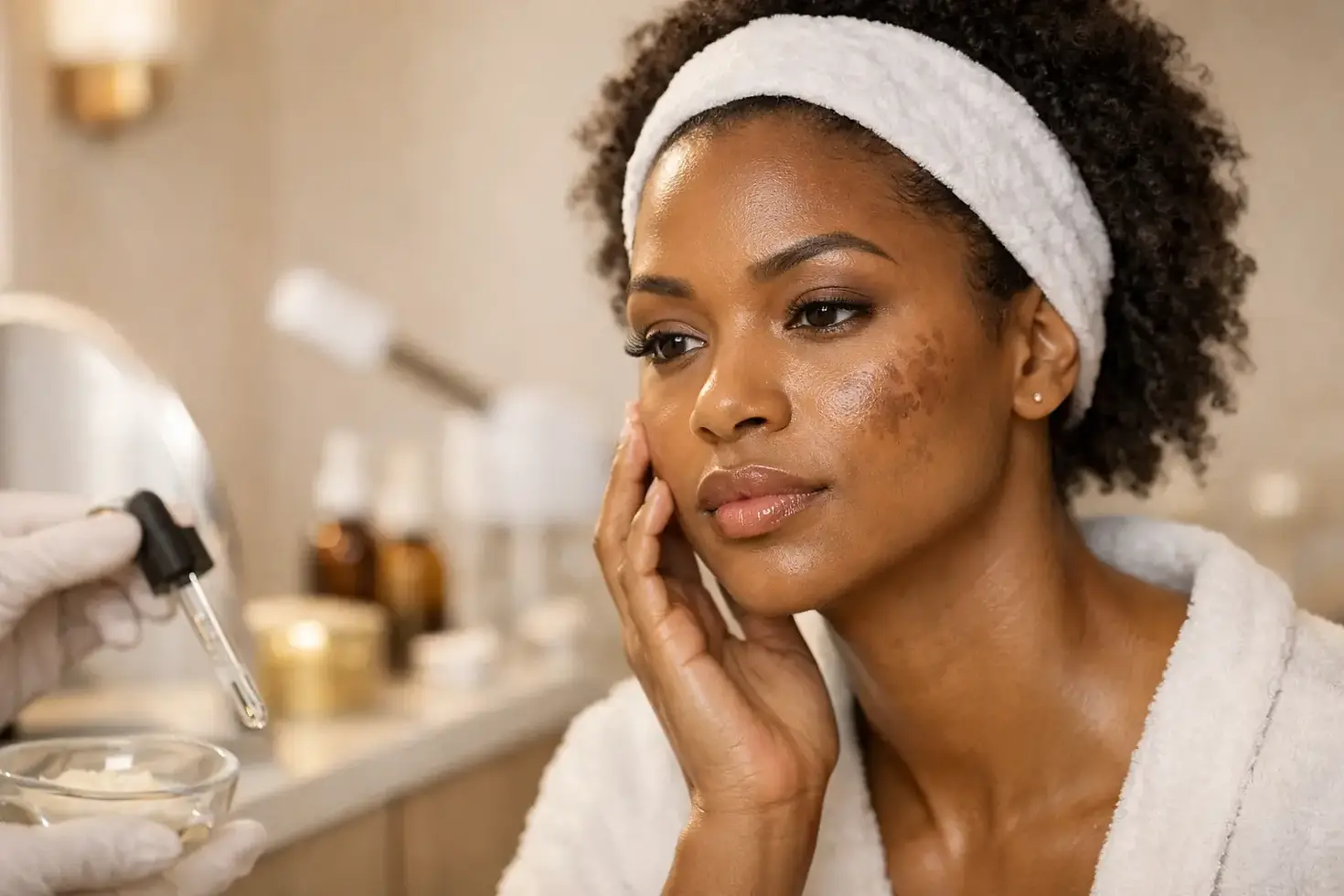
When the skin experiences too much inflammation, melanocytes - the cells that produce pigment - may respond by making more melanin. This can lead to post-inflammatory hyperpigmentation, often called PIH. It may look like brown, gray-brown, or darker patches where acne, irritation, or peeling occurred.
The risk rises when a peel is too strong for your skin, left on too long, repeated before the skin has recovered, or used without a proper diagnosis. Aggressive at-home exfoliation can also create a cycle of irritation: skin feels rough or looks dull, so you exfoliate more, and the resulting inflammation makes discoloration harder to fade.
Melasma needs especially careful planning. Unlike a single acne mark, melasma is influenced by sun exposure, heat, hormones, genetics, and inflammation. A peel may support a larger brightening plan, but it is not automatically the best first treatment for every active melasma flare.
Who Has a Higher Risk of Pigmentation After Peels?
Any skin tone can develop PIH, but people with more melanized skin tend to be more susceptible to visible pigment changes after irritation. That includes many clients with medium to deep complexions. Your skin tone alone should never rule out professional exfoliation. It should guide the choice of peel and the level of caution used.
You may also need a more conservative approach if you have a history of dark marks after pimples, insect bites, waxing, rashes, or previous treatments. Active acne, eczema, a compromised skin barrier, recent sunburn, and frequent use of irritating products can increase sensitivity as well.
Certain medications and skin treatments may affect whether a peel is appropriate right now. This is one reason an in-person consultation matters. A qualified provider can review your skin history, current routine, recent procedures, and treatment goals before selecting an exfoliation plan.
The Peel Type and Depth Matter
Not all peels perform the same way. A gentle superficial peel may target surface dullness and mild congestion with little downtime. A medium-depth peel creates a more significant response and may be useful for selected concerns, but it also requires greater clinical judgment and a more disciplined recovery plan.
For pigmentation-prone skin, stronger is not always better. The most effective approach may be a series of gentle treatments combined with medical-grade home care rather than one aggressive session. Gradual progress can be safer, more predictable, and easier for the skin to tolerate.
The ingredients matter, too. Some peel formulas are better suited to acne and oil control, while others focus on surface brightness or texture. A provider should choose based on your actual concern, not just the name of a trending ingredient or the promise of dramatic peeling.
Visible flaking is not a measure of success. Some excellent peels produce minimal peeling, while excessive redness, burning, swelling, or prolonged tenderness can signal that the skin has been pushed too far.
How to Reduce the Risk of Darkening
A safe peel begins before the appointment. Your provider may recommend a preparation period focused on hydration, barrier support, pigment-calming ingredients, and consistent sun protection. Depending on your skin, you may also be asked to pause certain active products before treatment. Follow those instructions closely rather than assuming your regular routine is safe to continue.
After the peel, the goal is to let the skin heal quietly. Avoid picking, rubbing, scrubbing, or manually removing flakes. Pulling at peeling skin can create inflammation and leave behind darker marks. Keep your routine gentle, use the products recommended for your recovery, and avoid introducing new acids, retinoids, or acne treatments until you are cleared to do so.
Sun protection is non-negotiable. Freshly treated skin is more vulnerable to UV-related discoloration, and in bright Caribbean climates, even everyday exposure can matter. Apply broad-spectrum sunscreen as directed, reapply when outdoors, and use practical protection such as shade and a wide-brimmed hat. Heat can also aggravate melasma for some people, so it may be wise to limit hot workouts, saunas, and prolonged sun exposure during early recovery.
If you are receiving a peel to address acne, resist the urge to combine it with multiple harsh spot treatments. Acne improvement is often a balance of effective correction and minimizing inflammation. Your provider can help organize a routine that addresses breakouts without continuously stressing the skin.
Signs Your Skin May Be Reacting Poorly
Some redness, tightness, dryness, and light flaking can be expected, depending on the peel used. However, severe burning, increasing pain, blistering, marked swelling, crusting, or rapidly darkening patches are not symptoms to ignore. Contact your treatment provider promptly if these occur.
It can also take time to judge pigment changes accurately. Immediately after a peel, skin may look temporarily darker because of dryness, surface shedding, or lingering inflammation. Do not rush into another corrective treatment or add strong home remedies. A professional assessment can distinguish normal recovery from PIH and help prevent the problem from escalating.
When a Peel May Not Be the Best First Step
If your skin barrier is already irritated, your acne is inflamed, or your melasma has recently worsened, it may be better to stabilize the skin before exfoliating. A plan centered on gentle cleansing, hydration, pigment-supporting products, acne correction, and daily sun protection may create a better foundation for future treatments.
Likewise, if you have repeatedly experienced darkening after facials, waxing, acne treatments, or previous peels, tell your provider before treatment begins. That history is valuable. It may mean starting with a patch test, a lower-strength peel, a longer preparation period, or a different brightening approach entirely.
At Body Studio Skincare, a professional skin assessment helps match treatment intensity to your complexion, concerns, and lifestyle. The goal is not simply to make skin peel. It is to support clearer, more radiant-looking skin while protecting the healthy barrier underneath.
A Brighter Complexion Should Not Come at the Cost of Your Skin
The right peel can be a valuable part of treating dullness, acne marks, and uneven tone. But results are rarely about one appointment or one powerful formula. They come from consistency, careful treatment selection, and recovery habits that respect your skin's ability to heal.
If pigmentation is your main concern, choose a provider who takes your skin history seriously and is willing to build progress gradually. Healthy-looking brightness is worth the patient, personalized approach.



Comments